Water Damage Restoration Fountain Valley, CA
Round-the-clock water damage restoration for Fountain Valley houses, rentals and offices. The crew extracts standing water, dries wet structure to IICRC S500 and logs every reading for the insurance file.
(888) 450-9281Start Fountain Valley water removalZIPs 92708 and 92728, covering Green Valley, Talbert and Southpark plus the Mile Square Regional Park area.
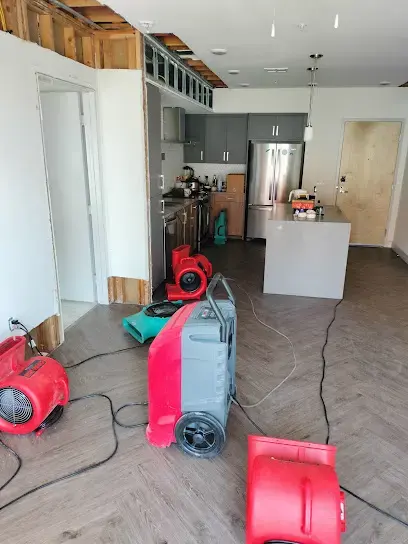
First moves when water enters a Fountain Valley home
Acting early limits how far water travels. Five simple moves hold a Fountain Valley loss in check until the drying crew gets there.
(888) 450-9281Water is spreading? Call now.- 1
Shut off the water
Turn the main valve off at the meter box or where the supply pipe enters the home. Condo and apartment residents can ask the manager where the building shutoff sits.
- 2
Kill power to wet rooms
Switch off breakers for any room with water near outlets, cords or fixtures, and stay out of standing water around plugged in devices.
- 3
Warn the people nearby
Renters held 27.8 percent of 2010 housing units, so leaks often cross shared walls. Tell the neighbor below and the manager right away.
- 4
Photograph everything
Use a phone to capture every wet room before anything is moved. Pictures and short clips form the opening pages of the insurance file.
- 5
Raise your belongings
Get rugs, electronics and cardboard boxes up and out of the wet area, and set furniture legs on foil or wood blocks. Soaked drywall and flooring can wait for the crew.
Fountain Valley Water Damage Restoration Services
Different sources call for different methods in Fountain Valley. A pinhole in a wall, a failed water heater, a roof leak after winter rain and a sewer backup are dried in unlike ways, which is why the crew starts by locating the source.
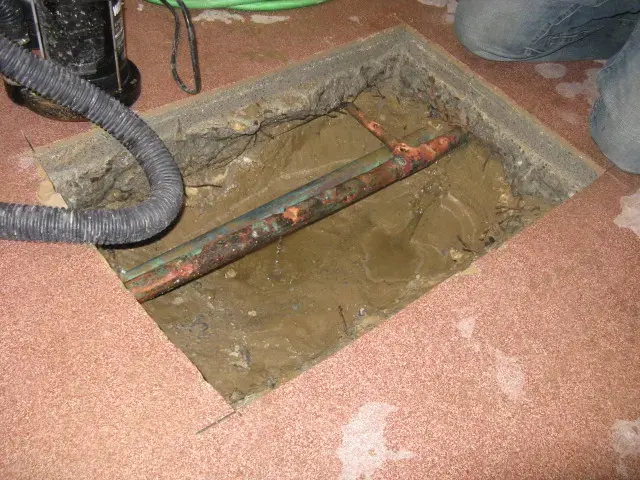
Slab Leak Water Damage
Leaks hidden under floors traced, soggy flooring pulled up and the concrete below dried out.
Details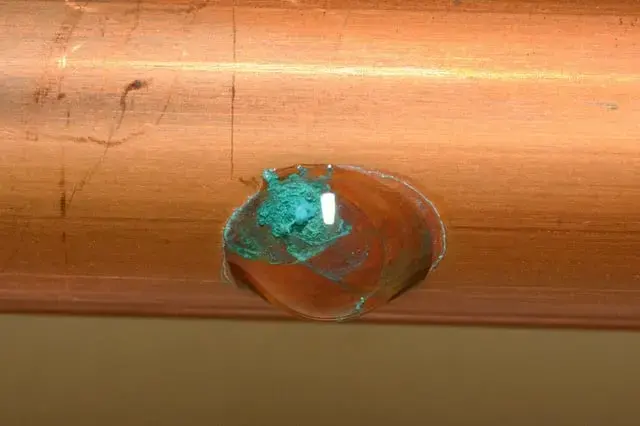
Corroded Pipe and Pinhole Leak Water Damage
Pinhole drips in walls located with moisture meters, then the damp cavity opened and dried.
Details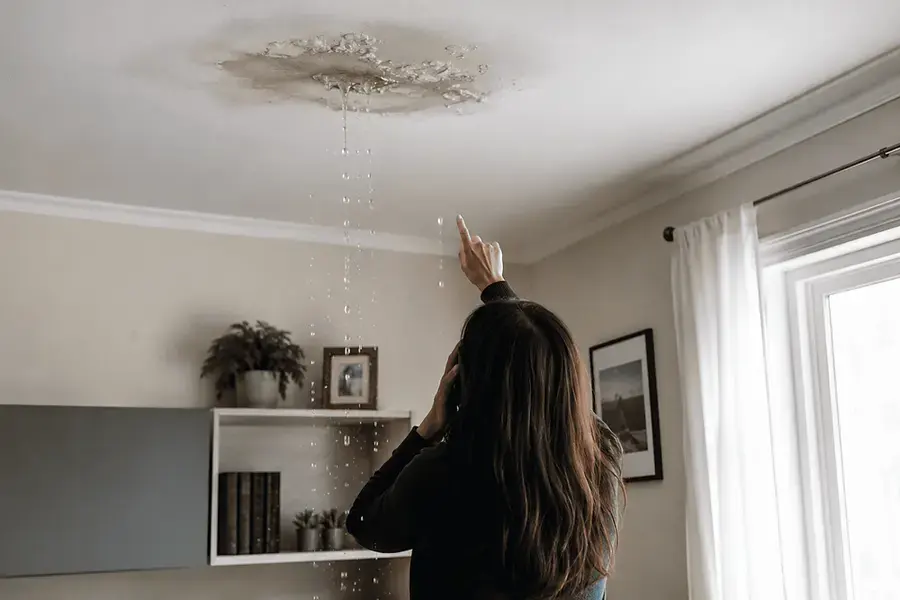
Condo and Unit-to-Unit Leak Water Damage
Water that crosses between neighboring units dried in each home it reaches.
Details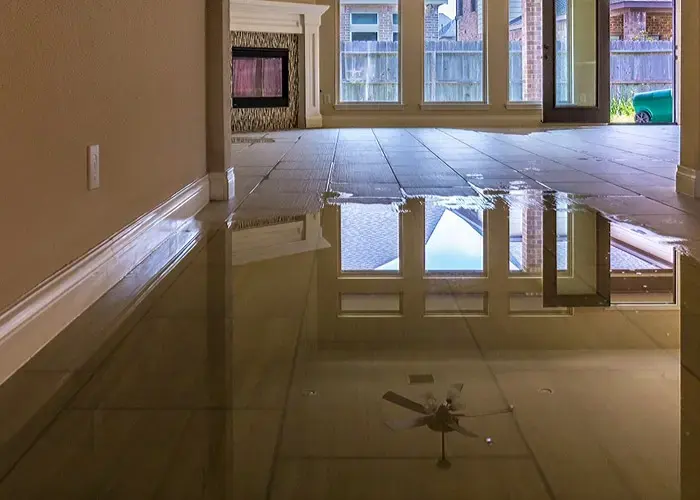
King Tide and Bay Flood Cleanup
Flood water entering from outside handled as Category 3, with the affected rooms treated.
Details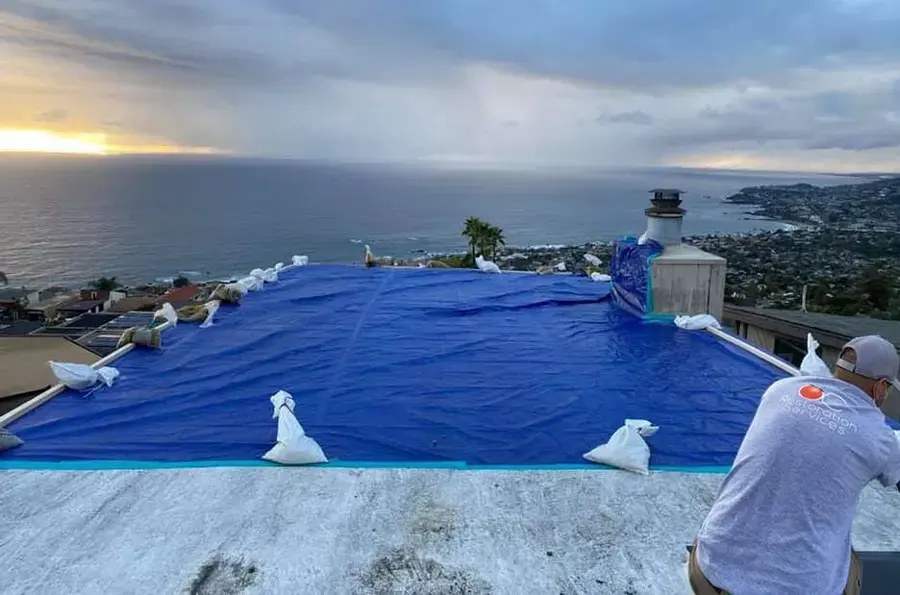
Winter Storm Water Damage
Rain from winter storms that slips past roofs, doors and windows removed and walls dried.
Details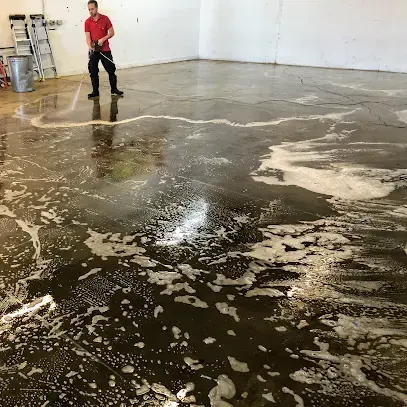
Water Extraction and Removal
Pooled water vacuumed up by truck-mounted or portable extractors before walls wick it upward.
Details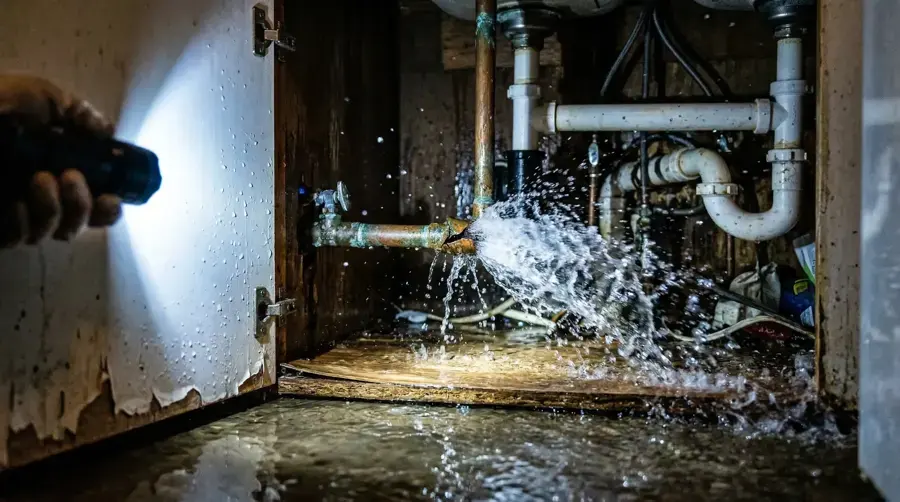
Burst Pipe Water Damage
Split supply pipes pumped out quickly, with wall openings kept to where readings lead.
Details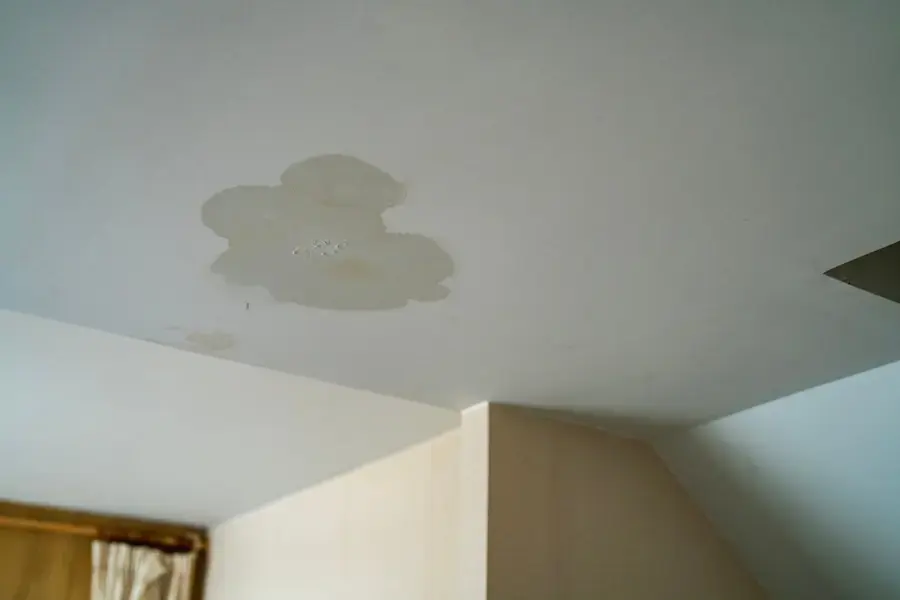
Ceiling Leak Water Damage
Water from a roof or fixture overhead tracked down and the ceiling space dried out.
Details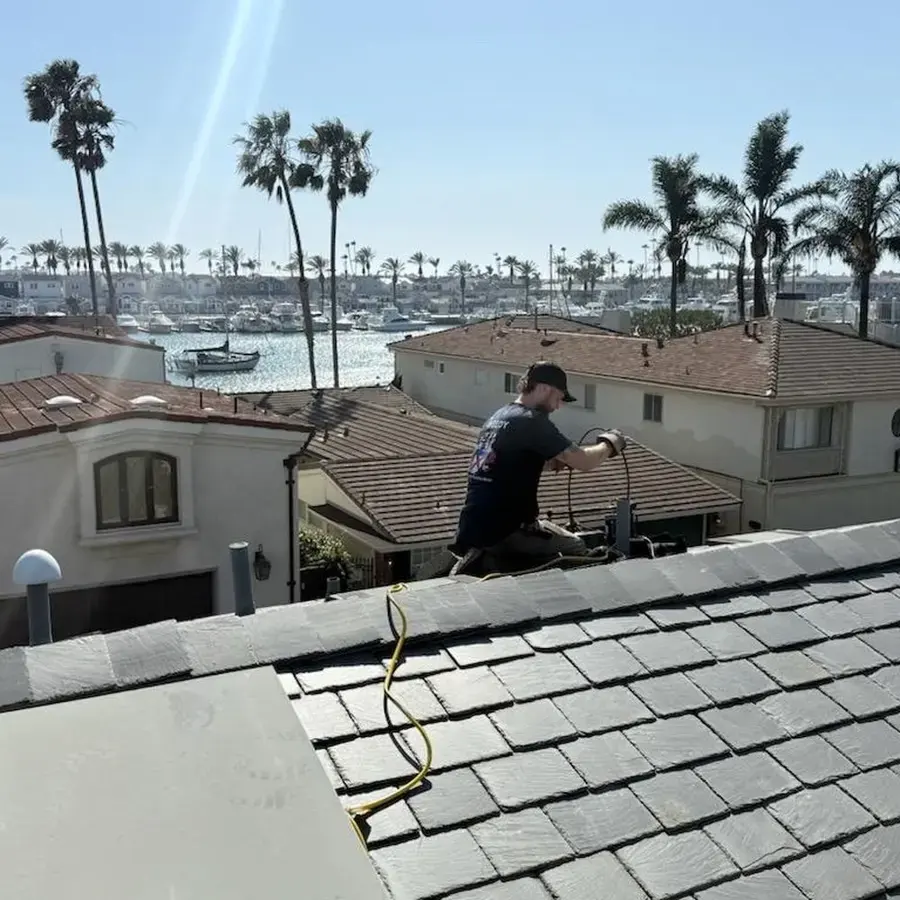
Roof Leak Water Damage
Rain that finds a way into attics and ceilings dried out after the storm.
Details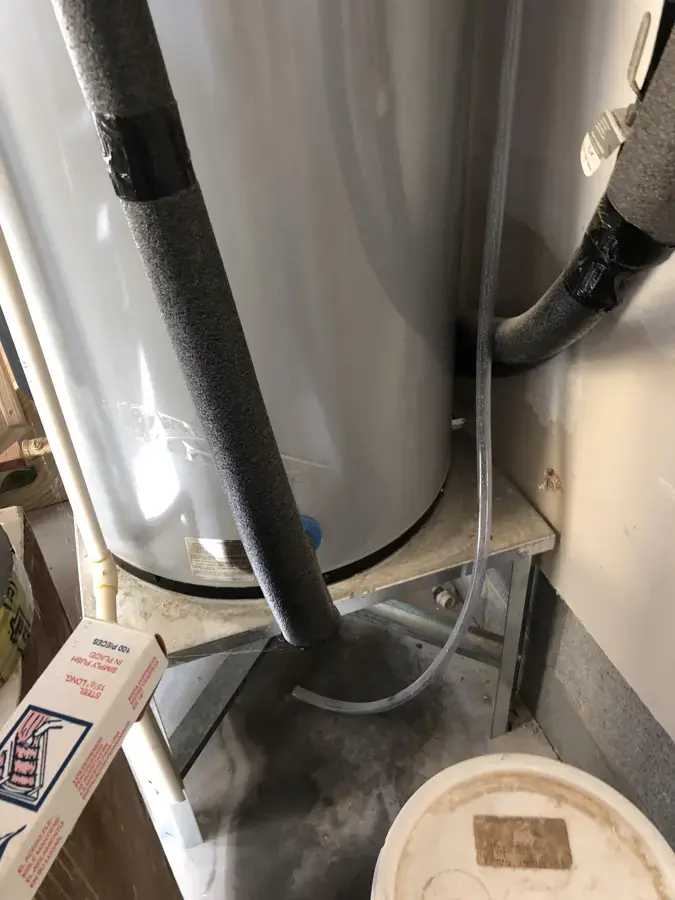
Water Heater Leak Cleanup
Tank failures in garages and utility closets cleaned up, with the surrounding floor dried.
Details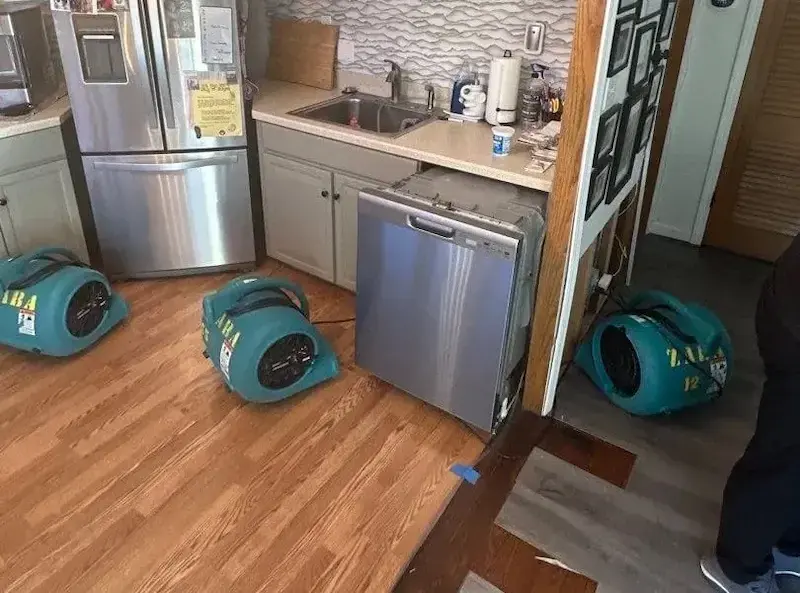
Appliance Leak Water Damage
Washer, dishwasher and refrigerator leaks dried under kitchen cabinets and laundry floors.
Details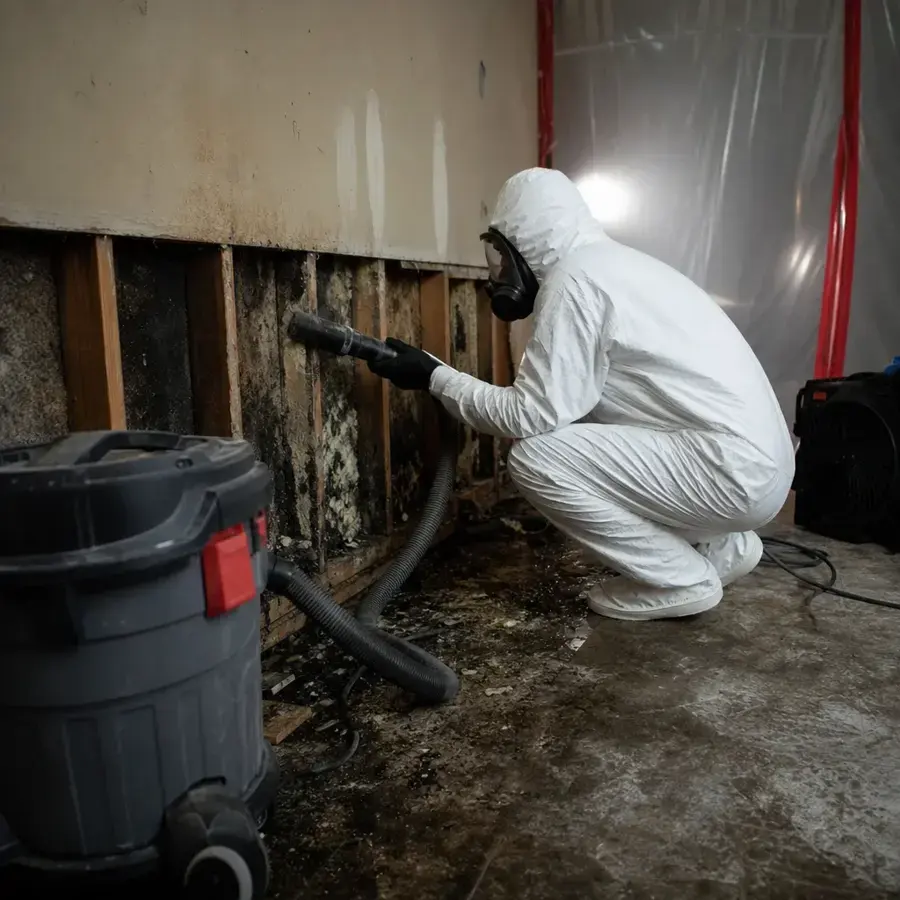
Sewage Backup Cleanup
Backed-up sewage sealed off, soiled porous materials cut out and surfaces sanitized.
Details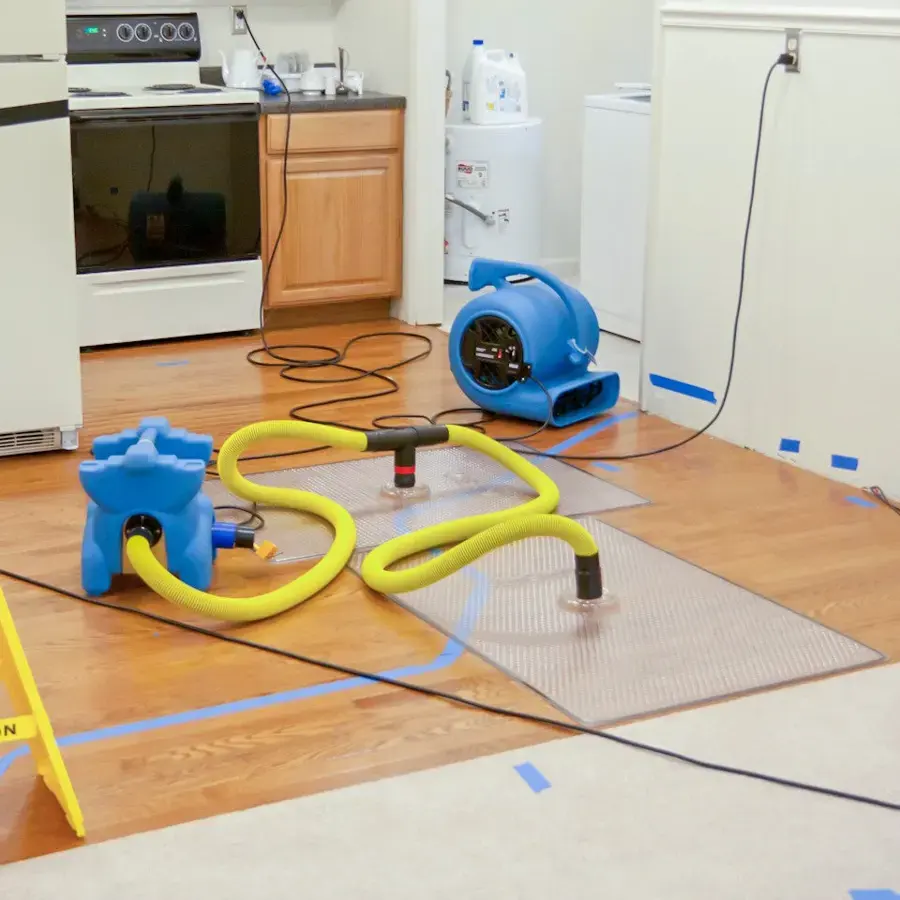
Structural Drying and Dehumidification
Studs, subfloors and drywall dried until moisture readings match an unaffected sample.
Details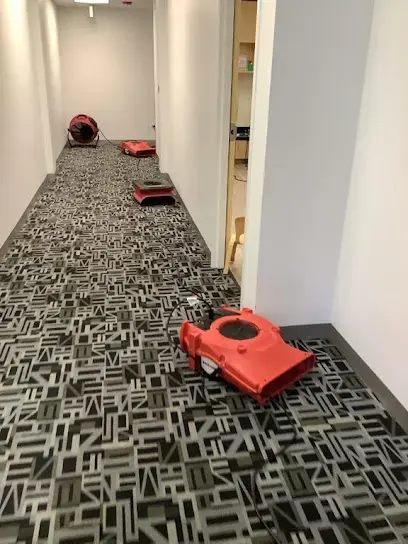
Commercial Water Damage
Offices, stores and clinics dried in stages so business can carry on.
Details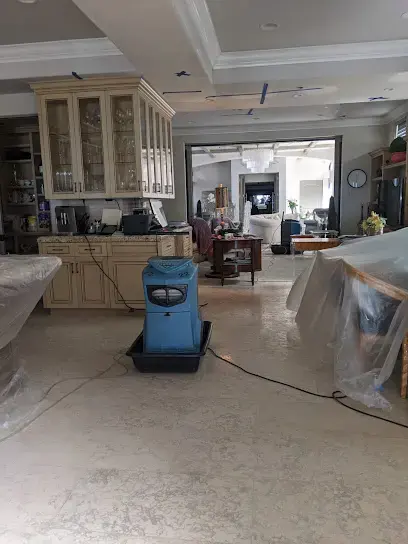
How the Fountain Valley crew handles a water loss
Water seldom stays where it first appears. In a Fountain Valley home it can slide under flooring, run through a shared wall into the unit next door or soak a stud cavity unseen. A city named for its high water table gives the crew good reason to dry structures completely.
Local dispatch
Dispatch is staffed around the clock, and active water from Green Valley to Southpark is handled as urgent.
IICRC S500 drying
Framing and subfloors get dried along with surface finishes, using equipment sized to the loss class in each room.
Claim ready records
Moisture maps, daily logs and dated photos are taken before demolition starts.
Housing stock awareness
Tracts built in the 1960s and 1970s, shared walls and winter storm runoff shape many local losses.
How much does water damage restoration cost in Fountain Valley, CA?
In Fountain Valley, CA, water damage restoration typically runs $1,300 to $28,000, with a clean-water leak in one or two rooms usually landing between $1,300 and $4,500.
Contained clean-water leak
$1,300 to $4,500
- Up to two rooms
- Extraction and drying
- Logged readings
Hidden leak or several rooms
$4,500 to $12,000
- Wet flooring lifted
- Walls dried in place
- Claim paperwork included
Sewage or outside flood water
$8,000 to $28,000
- Category 3 containment
- Soiled porous items out
- HEPA filtered air
Treat these as typical ranges instead of quotes. The water category, size of the wet area, materials involved and when drying starts shape the total. The Fountain Valley slab leak page and the cost calculator can narrow it down.
Fountain Valley structures dried to IICRC S500
Instruments, not eyesight, decide when a dry-out is finished. The Fountain Valley crew works to IICRC S500, charts moisture before placing equipment and leaves machines running until every wet material reads like an untouched one.
- 1
Locate every wet area
Pinless meters and a thermal camera sweep walls, floors and ceiling surfaces, and the technician checks rooms above, below and beside the visible damage.
- 2
Remove the standing water
Pooled water is pumped and vacuumed out first, since removing liquid is far quicker than drying vapor out of the air.
- 3
Set the drying equipment
Air movers are placed by room size and wetness, LGR dehumidifiers capture the vapor and desiccant units tackle dense framing and concrete.
- 4
Verify the result
Daily readings are compared with an unaffected sample of the same material, and the machines are removed once the gap is down to 2 to 4 points.
Every water category handled in Fountain Valley, CA
Clean supply water
Split supply pipes, failed water heater tanks and leaks under a floor start as Category 1, and acting early lets most materials dry in place.
Burst pipe water damageGray water
Appliance discharge from washers and dishwashers counts as Category 2, since it holds soap and food residue, so saturated pads and some porous items come out.
Appliance leak water damageBlack water
Sewage backups and floods from outdoors are Category 3 immediately. Whatever porous material the water reaches is removed and the area is disinfected.
Sewage backup cleanupRecords for your insurance claim
Adjusters judge a water claim by its paperwork, so the mitigation crew assembles a complete Fountain Valley file holding these items:
- A moisture map marking each wet wall, floor and ceiling prior to setup
- Daily drying logs that compare readings against a dry reference
- Dated photographs captured ahead of any drywall, flooring or cabinet removal
- The water category and loss class behind every decision to keep or discard a material
- An itemized scope of work in the format most adjusters expect
What a dry-out looks like in Fountain Valley homes
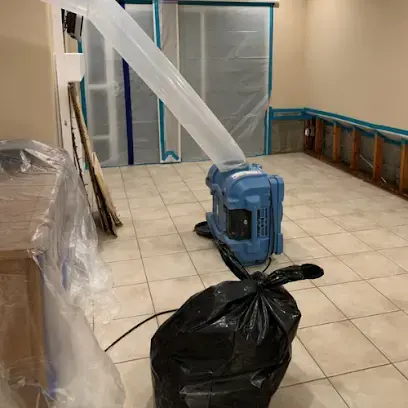
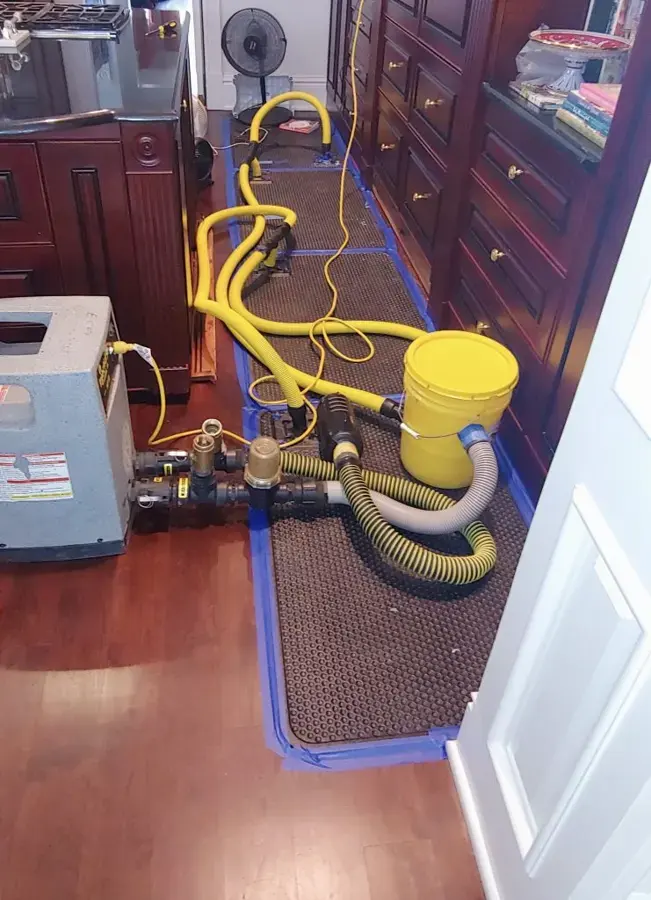
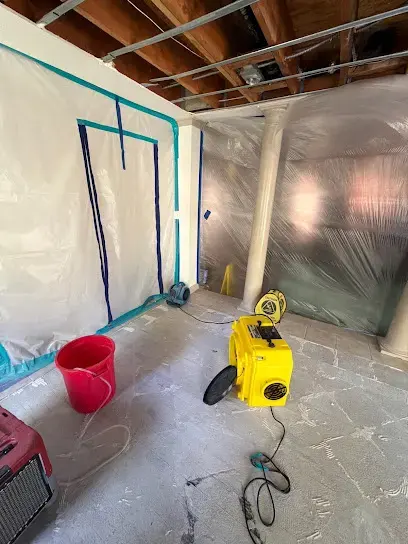
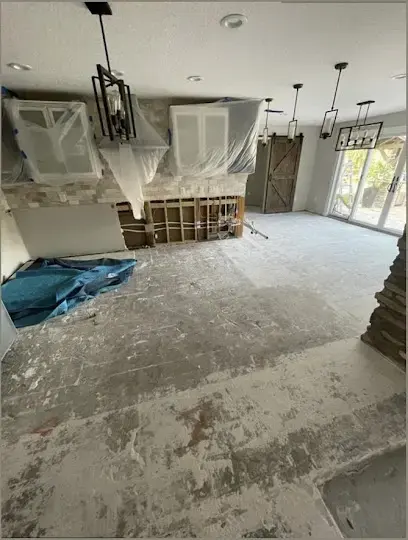
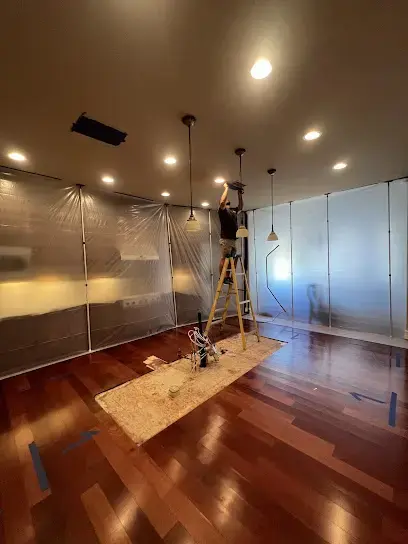
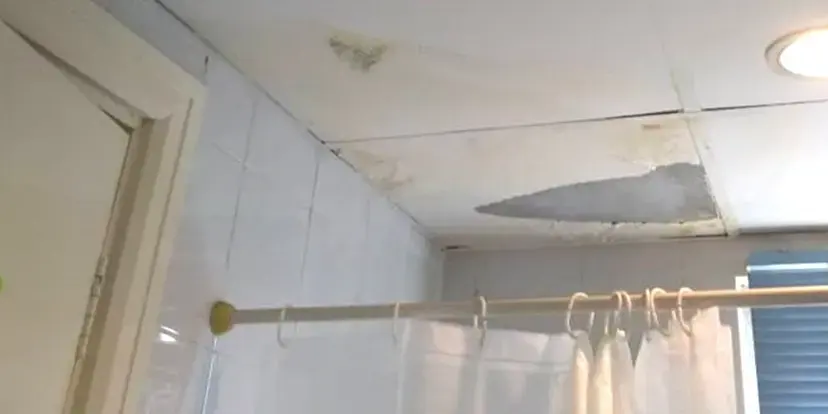
Water damage restoration across Fountain Valley neighborhoods
Neighborhoods and corridors
ZIP codes
Local water damage risks in Fountain Valley, CA
Fountain Valley grew from drained peat and swampland into a city of 57,047 residents at the 2020 Census, with the Santa Ana River along its eastern edge.
- Around 1896
The Talbert family bought more than 300 acres of peat and swampland here and opened a general store.
- 1957
Fountain Valley incorporated, with farming still the main land use until the 1960s.
- The 1960s
Large housing tracts spread across former farmland as agriculture gave way to development.
- December 2025
Atmospheric river storms led the state to pre-position resources in Orange County; no Fountain Valley incident is confirmed.
High water table
The name points to artesian wells and a very high water table, so standing water in a structure should be dried fully.
Tracts from the 1960s and 1970s
Housing tracts grew on former farmland, and Green Valley holds 1970s tracts, so aging plumbing is a general concern.
Shared walls and rentals
Renters occupied 27.8 percent of 2010 housing units, so a leak in one home can reach a neighbor.
Winter storms and the river
The Santa Ana River borders the east, the city map shades a 100-year floodplain and the rest is Zone X, so exposure varies.
Fountain Valley water damage questions
Water spreading across the floor?
Stop the source if it is safe to do so, then call. The Fountain Valley crew takes it from there.
(888) 450-9281Call the Fountain Valley crewHow quickly does the crew respond in Fountain Valley?
Dispatch operates 24/7 and active water is treated as urgent. Travel time depends on traffic, the hour and how many jobs are open, so the dispatcher shares a realistic window during the call.
What should happen in the first few minutes?
Close the main valve, switch off power to wet rooms, photograph damage and lift valuables off the floor. In a condo, warn the unit below and the manager. The Fountain Valley slab leak page lists a similar sequence.
How can I tell whether water is leaking beneath a floor?
Signs include a warm spot on tile, carpet that stays damp with no source, hissing while every tap is shut and a meter that keeps moving. The slab leak sign check walks through each test.
Who deals with a leak coming from the unit overhead?
The crew dries each affected home and documents it separately. The lease, the association or owner policy and your own policy decide who pays, so speak with your insurer.
Is my Fountain Valley address in a flood zone?
Flood maps vary by address. The city map shades the 100-year floodplain and calls every other area Zone X, the 500-year zone. Outside water generally calls for flood insurance, not a standard homeowner policy, so look up your address.
How long does drying take?
A contained loss often needs three to five days of drying. Dense materials such as concrete, hardwood and plaster run longer, and equipment stays until readings reach the target.
What does the IICRC S500 standard require?
IICRC S500 is the professional benchmark for restoring water damage. It governs how a loss is inspected, categorized, extracted, dried and verified, so the result rests on readings.
Does wet drywall always have to be replaced?
No. Drywall wetted by clean water and caught early frequently dries in place. Drywall hit by sewage or flood water, or soaked until it swells, is removed above the highest wet point.
Which agency handles sewage in Fountain Valley?
The city maintains sewer and storm drain pipes that connect to the Orange County Sanitation District plant beside the Santa Ana River. A backup inside a home is Category 3 water, which requires containment and disinfection.
Is mitigation the same as repair?
No. Mitigation stops damage from growing by removing water and unsalvageable materials and drying the structure. Repairs such as drywall, paint and flooring come after the building reads dry.
Water in a Fountain Valley home or office? Start the drying now.
The Fountain Valley crew pumps out the water, dries the building to the IICRC S500 target and assembles claim records, 24/7 across the city.
(888) 450-9281Fountain Valley emergency water removal- Active water treated as urgent
- Dried to the IICRC S500 standard
- Daily readings for the claim file