Water Damage Restoration Santa Ana, CA
Santa Ana homes, apartments and businesses can get water damage restoration at any hour. A response crew pumps out standing water, dries framing and floors to IICRC S500 and records readings an adjuster can use.
(888) 450-9281Start Santa Ana water removal nowZIPs 92701, 92703, 92704, 92705, 92706 and 92707, covering Floral Park, Downtown Santa Ana and South Coast Metro.
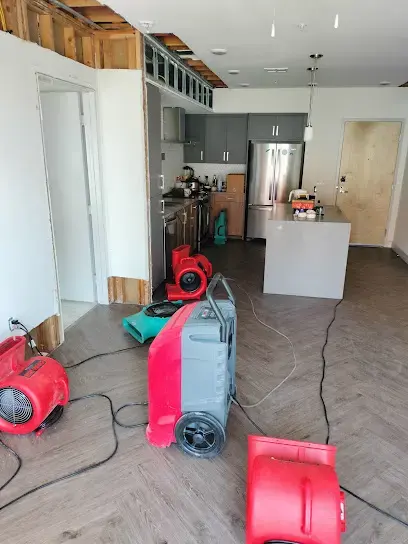
Five moves for a Santa Ana water emergency
How much of a building can be saved often depends on the first few actions. These five keep a Santa Ana loss from growing while the dispatcher organizes help.
(888) 450-9281Water still moving? Call.- 1
Stop the supply
Locate the shutoff where the pipe enters the building and turn it clockwise until it stops. Apartment residents can ask the manager for the building valve.
- 2
Power down wet rooms
Flip the breakers for rooms where water is near outlets, cords or fixtures. Never wade toward anything that is plugged in.
- 3
Warn neighbors below
Most Santa Ana households rent, so water often crosses into another home. Alert the unit below and the property manager early.
- 4
Photograph first
Shoot pictures and brief video of every wet spot before anything is moved. Those images open the claim file.
- 5
Raise valuables
Get rugs, cords, boxes and electronics up out of the water, and set furniture feet on foil squares. Wet drywall and flooring are best left to the crew.
Water Damage Services Across Santa Ana, CA
Santa Ana losses do not all dry alike. A pinhole in an older pipe, a washer that leaks into the unit below and a sewer backup each need a different plan, so the crew first works out where the water started.
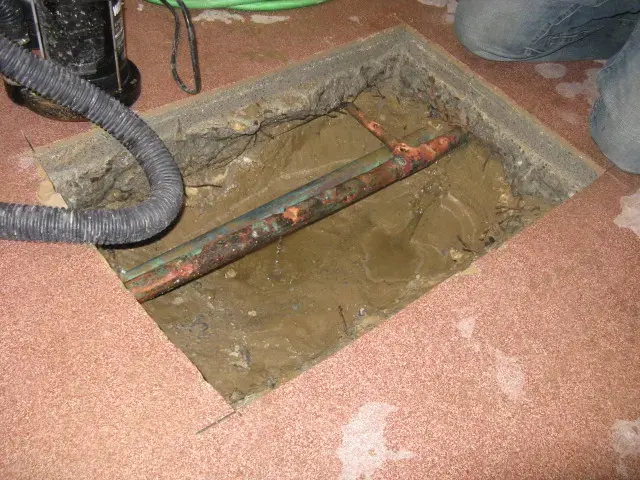
Slab Leak Water Damage
Leaks under concrete floors located with thermal imaging, then soaked flooring lifted and the slab dried.
Details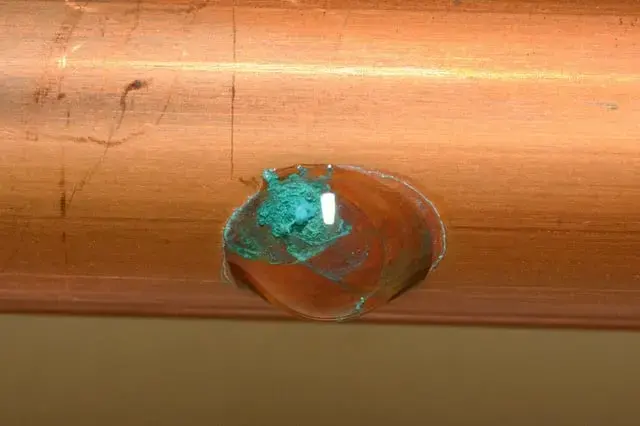
Corroded Pipe and Pinhole Leak Water Damage
Pinhole leaks inside walls pinpointed by moisture readings before the wet section is cut open.
Details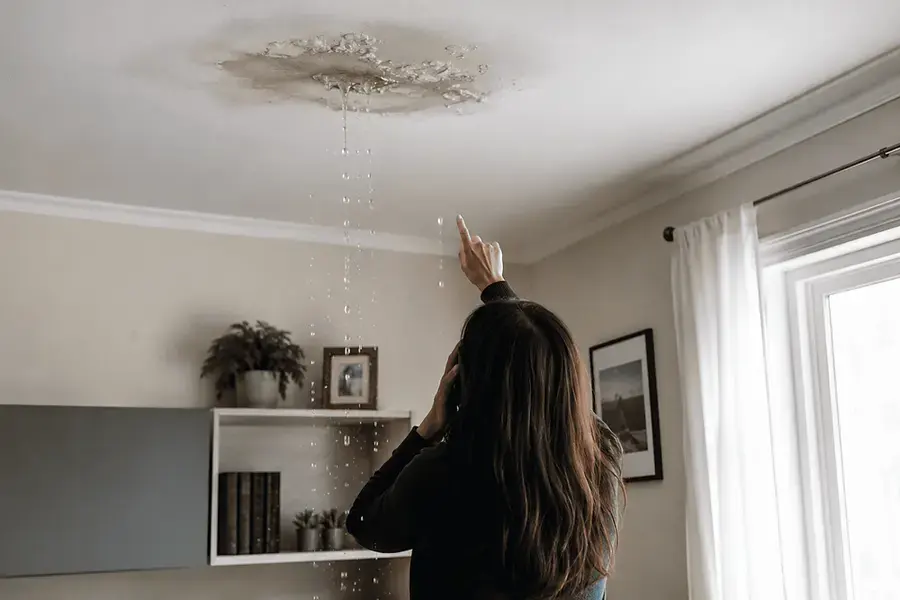
Condo and Unit-to-Unit Leak Water Damage
A neighbor's leak followed through shared walls and ceilings, with every affected apartment dried.
Details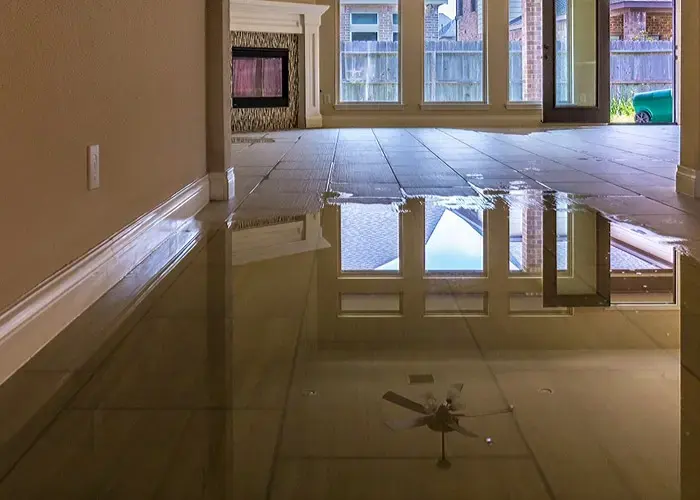
King Tide and Bay Flood Cleanup
River, creek or storm water indoors treated as Category 3, with porous materials removed.
Details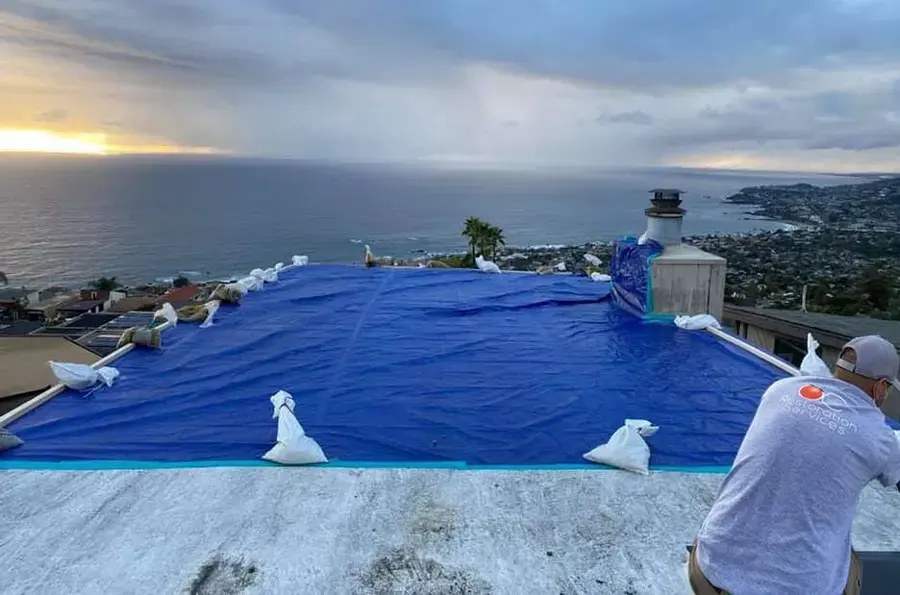
Winter Storm Water Damage
Rain that slips past roofs, sills and windows pumped out before walls absorb it.
Details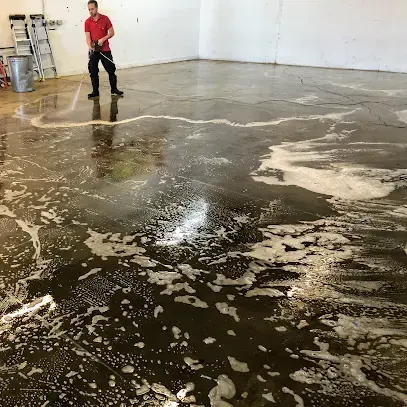
Water Extraction and Removal
Truck-mounted and portable extractors pull standing water from floors before it climbs walls.
Details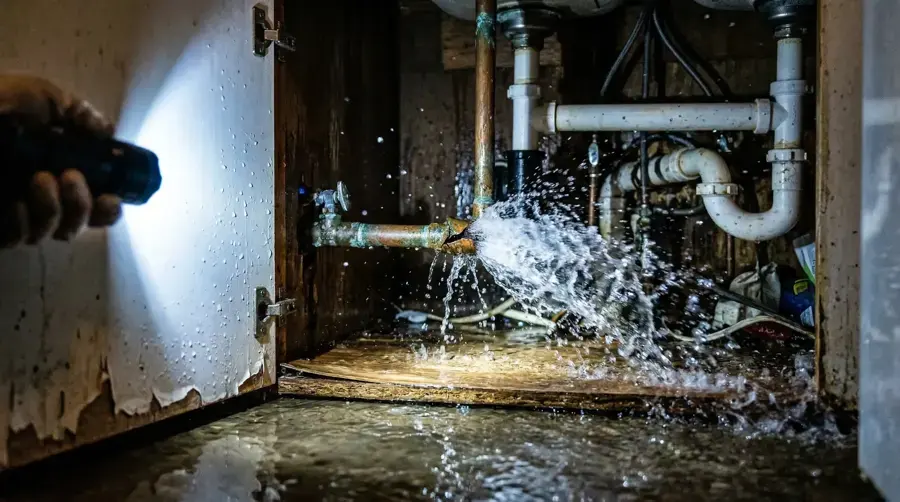
Burst Pipe Water Damage
Split supply pipes met with fast extraction and targeted openings guided by readings.
Details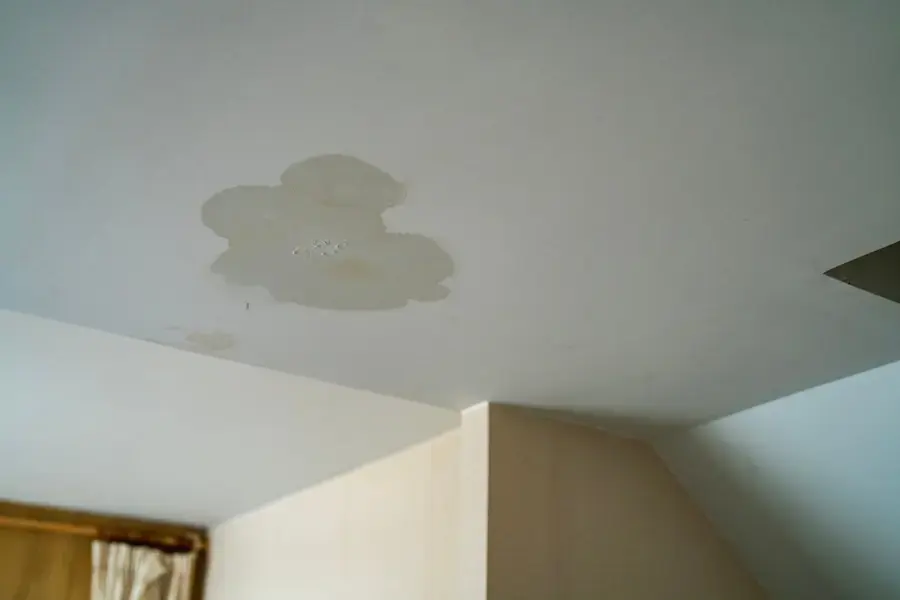
Ceiling Leak Water Damage
Overhead leaks followed to a bathroom, pipe or roof, then the ceiling cavity dried.
Details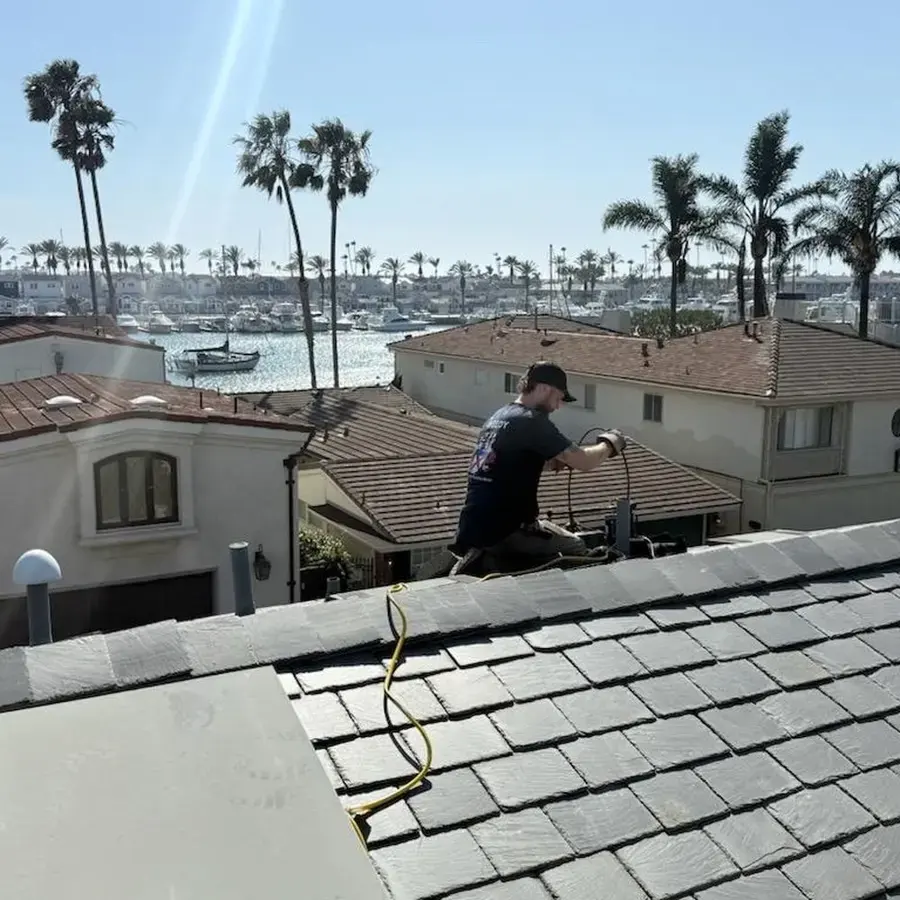
Roof Leak Water Damage
Storm rain in attics and ceilings extracted and dried while a roofer handles the repair.
Details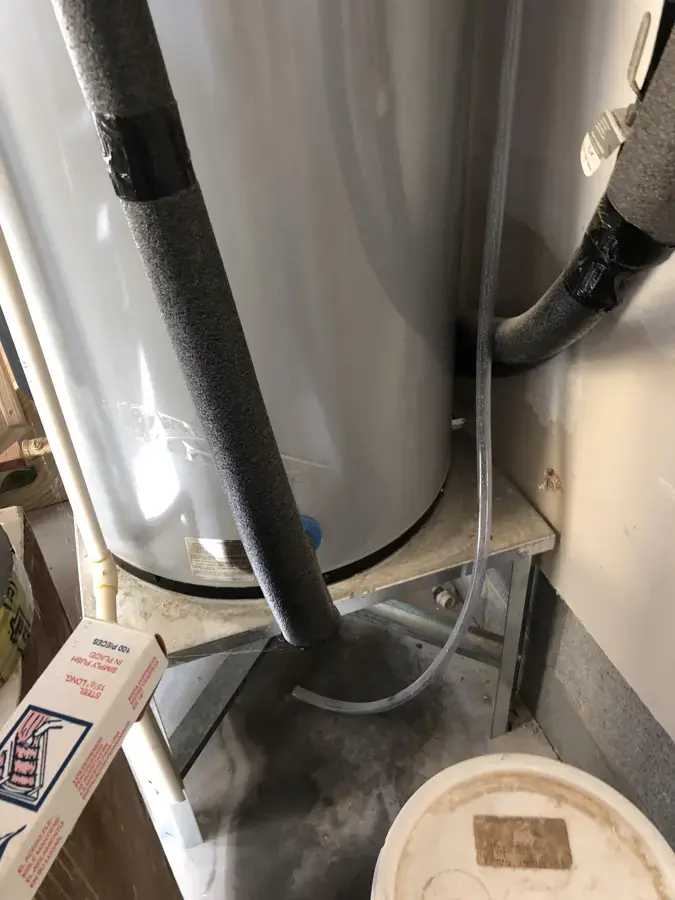
Water Heater Leak Cleanup
Tank failures in garages and closets pumped out and the floors around them dried.
Details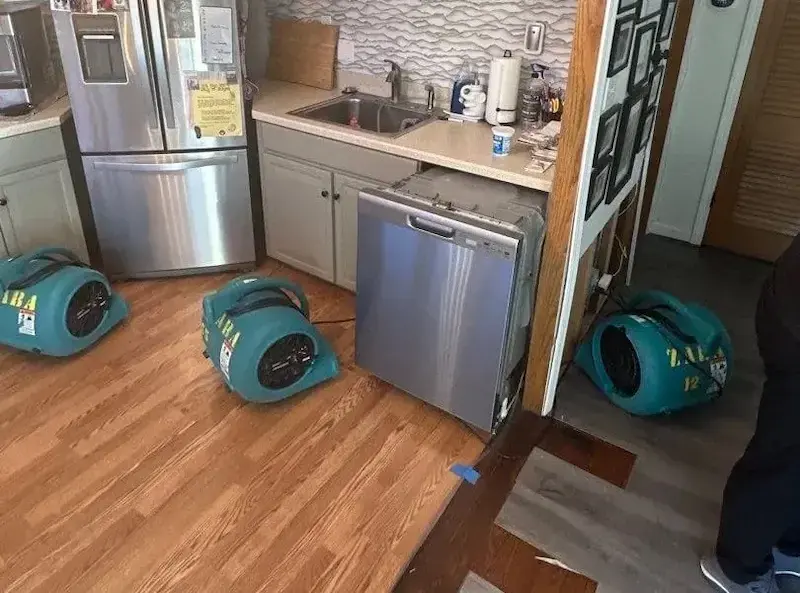
Appliance Leak Water Damage
Washer, dishwasher and ice maker leaks chased under cabinets and floors, then dried.
Details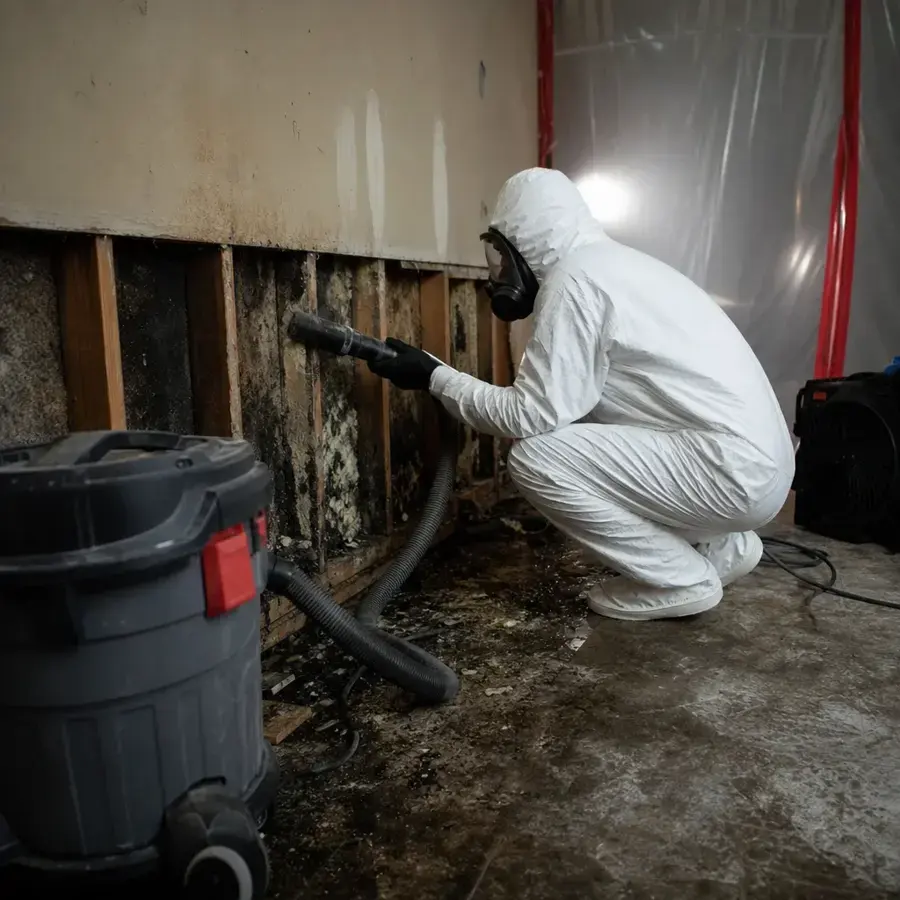
Sewage Backup Cleanup
Sewage backups sealed off, soiled materials bagged out and surfaces disinfected.
Details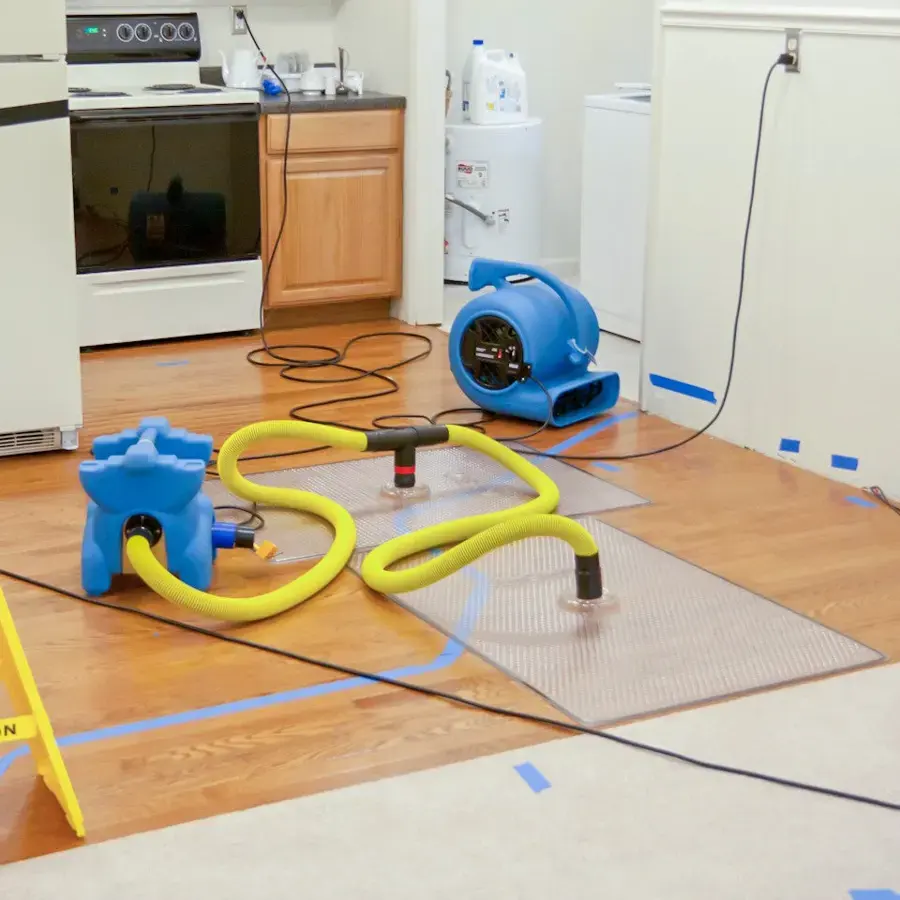
Structural Drying and Dehumidification
Framing, subfloors and plaster dried by the numbers until they match a reference.
Details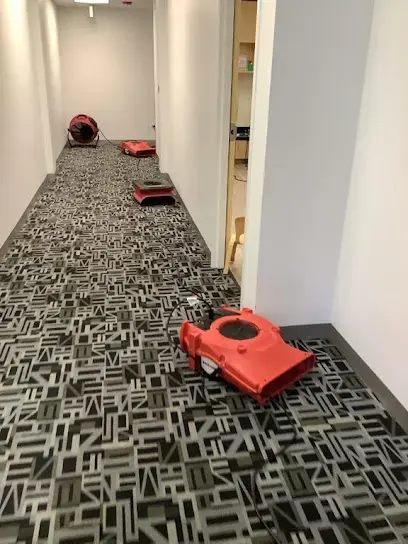
Commercial Water Damage
Offices, shops and clinics dried in phases so tenants keep working.
Details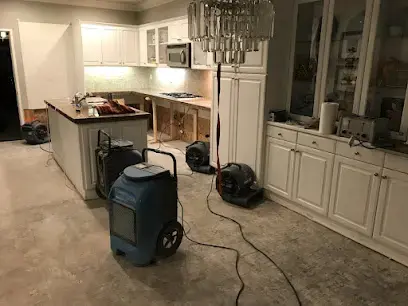
How the Santa Ana restoration crew handles a water loss
In Santa Ana, water rarely stays put. It travels beneath flooring, falls from one apartment ceiling into the next home or hides inside a wall before anyone notices, and each dry-out is planned around where it actually went.
Round-the-clock dispatch
Active water gets urgent handling anywhere in town, from Downtown Santa Ana to Heninger Park and the South Coast Metro offices.
Drying by the book
Equipment is chosen for the class of loss, which lets framing and subfloors dry out together with the surface layer.
Paperwork for adjusters
Moisture maps, drying logs and dated photos are produced before demolition begins, so the claim has evidence.
Older building experience
Homes from before 1980, tightly packed apartment blocks and winter rain after a dry summer account for most local losses.
What a Santa Ana water loss typically costs
Expect roughly $1,300 to $28,000 for Santa Ana water damage restoration, with a clean-water leak contained to a room or two usually falling between $1,300 and $4,500.
Single source clean leak
$1,300 to $4,500
- A room or two
- Water pulled and dried
- Daily moisture logs
Spread through hidden cavities
$4,500 to $12,000
- Floors lifted where wet
- Cavities and slab dried
- Claim paperwork included
Contaminated water events
$8,000 to $28,000
- Category 3 steps
- Porous items discarded
- HEPA air filtration
Figures are ballparks, not quotes. Water type, affected area, building materials and the speed of the response all move the final number. For a closer figure, try the cost calculator or read about hidden slab leaks in Santa Ana.
How Santa Ana structures are dried to S500
Drying is a measurement job, not a judgment call. In Santa Ana the crew works from IICRC S500, records moisture before any machine is placed and keeps going until wet materials match a reference reading.
- 1
Find the wet zone
Moisture meters and an infrared camera trace water through walls, floors and ceilings, including any apartment below or beside the source.
- 2
Pull out the standing water
Truck units and portable extractors go first, because bulk liquid leaves a structure far faster than vapor can be dehumidified.
- 3
Place the drying gear
Fans are sized to each room, LGR dehumidifiers collect the moisture they move and desiccant units handle dense materials.
- 4
Check against a reference
Readings are logged every day, and the machines are pulled only once each material reads close to its dry reference.
Clean, gray and black water in Santa Ana, CA
Clean supply water
Category 1 water comes from supply pipes and tanks. Caught early, much of it dries where it landed, though soaked pad may go.
Slab leak water damageGray water
Drain water from a washer or dishwasher is Category 2, since soap and soil ride along with it. Soaked pad and some porous goods are removed.
Appliance leak water damageBlack water
Sewage and outside flood water arrive as Category 3. Porous materials in their path are cut out, and the area is disinfected before drying.
Sewage backup cleanupWhat the insurance file should contain
Adjusters decide from paperwork rather than conversation. For a Santa Ana loss, the mitigation crew's file should hold the following:
- A moisture map covering every wet wall, floor and ceiling before machines go in
- Daily logs that set readings beside a reference for dry material
- Photos with timestamps taken ahead of any tear-out
- The water category and loss class behind each save or discard choice
- A line-item scope written in a format adjusters recognize
Dry-out scenes from Santa Ana jobs
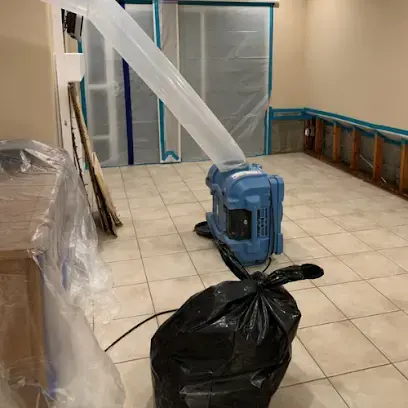
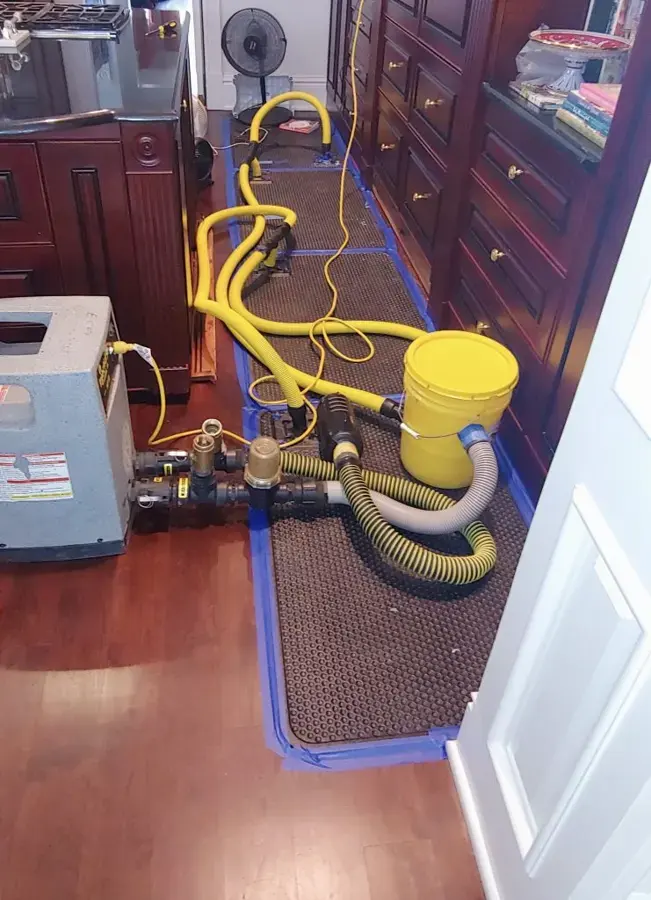
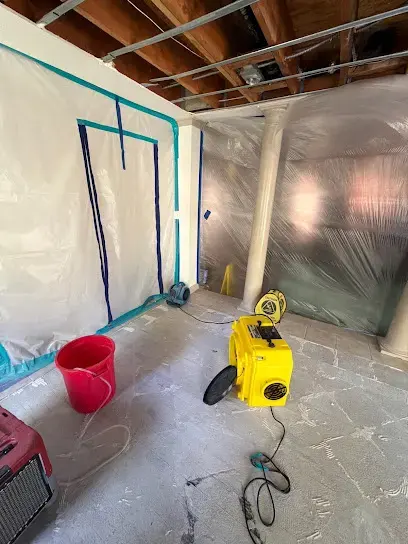
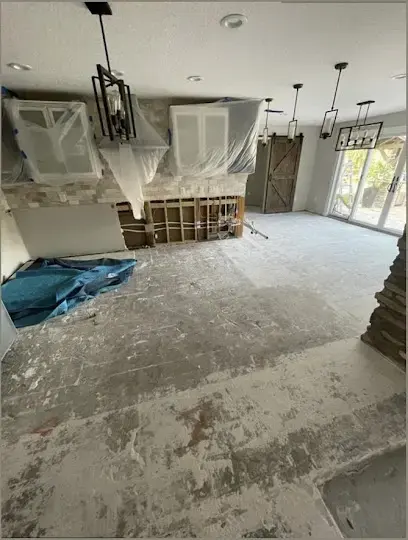
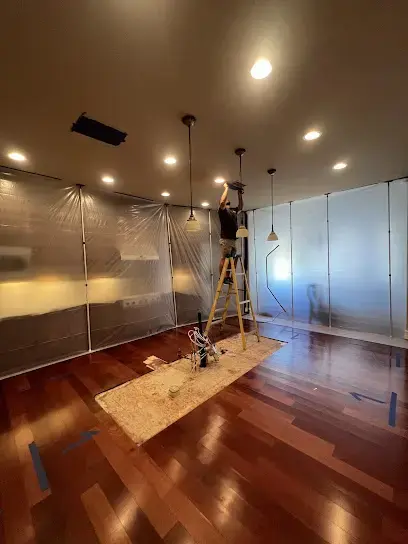
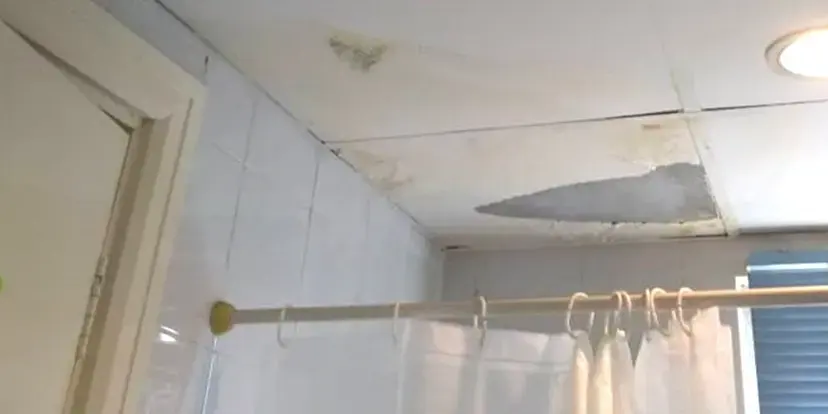
Neighborhoods the Santa Ana crew serves
Santa Ana neighborhoods
ZIP codes
Water damage in Santa Ana, CA: the local risk picture
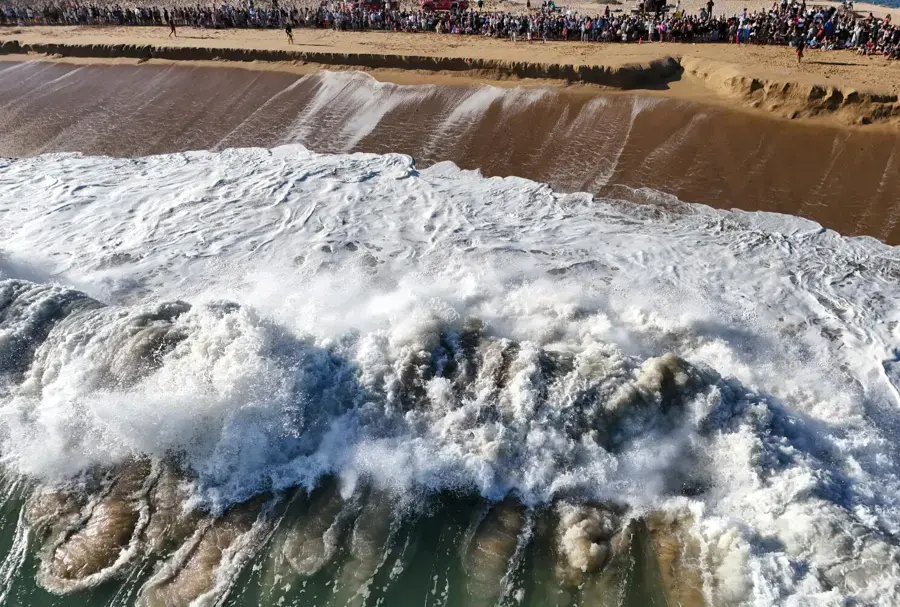
Santa Ana is a flat, fully developed city of 310,227 residents at the 2020 Census. The Santa Ana River runs along its west side, tamed by Prado Dam and Seven Oaks Dam.
- March 3, 1938
The Santa Ana River overflowed during the great Southern California flood, one of several severe floods in the 20th century.
- December 26, 2018
A water main break buckled 17th Street, proof that city pipes fail as well as private ones.
- November 14 to 16, 2025
Heavy rain was forecast and the city offered up to 10 sandbags per home at the City Corporate Yard.
- December 9, 2025
The city marked completion of Santiago Park improvements along Santiago Creek.
Older housing stock
An older HUD summary says about 90 percent of the housing was built before 1980, so aging plumbing is a realistic leak source.
Shared buildings
With an owner occupied rate of 44.6 percent, most households rent, and water from one unit often runs into the next home.
Dense development
Santa Ana is densely populated, at about 11,347 people per square mile, so one failure can touch many neighbors.
Flood risk by address
Areas beside Santiago Creek and Collins Channel may be inundated, and severe weather can affect channel protected areas too.
Santa Ana water damage questions
Water coming in right now?
Stop the flow if it is safe, then call. The Santa Ana crew handles what comes next.
(888) 450-9281Call the Santa Ana crewWhat happens after I call about water in Santa Ana?
The dispatcher asks what failed, which rooms are wet and whether neighbors are affected, then plans the first visit. Active water is treated as urgent, and the timing depends on traffic and open jobs.
What are the first things to do when water shows up?
Stop the source if it is safe to do so, then switch off breakers for wet rooms and photograph every affected area. Move valuables up off the floor and warn the unit below. The Santa Ana slab leak steps cover a hidden leak in more detail.
How can a hidden leak under flooring be spotted?
Tile that feels warm, carpet that stays damp with no source in sight, the sound of running water when every tap is shut and a meter that keeps moving are the usual clues. Warning signs of a slab leak explains the meter test.
Who deals with a leak that starts in the unit above?
Each unit gets its own drying and its own paperwork, which supports every party's claim. Who pays depends on the lease, the owner's building coverage and the individual policies, so each side should call its insurer.
Could my Santa Ana property flood?
Orange County Public Works says areas beside Santiago Creek and Collins Channel may be inundated, and the city notes that severe weather can affect other areas as well. Outside water typically falls under separate flood insurance, not the usual homeowner policy.
How long will drying take?
A contained leak commonly takes about three to five days. Concrete, hardwood and plaster run longer, and equipment is removed only after the readings hit their targets.
What is IICRC S500 and why does it matter?
The IICRC S500 is a published standard for water damage restoration. Under it, each job is assessed, sorted by water category, extracted, dried and checked with readings, so the end point is measured.
Does wet drywall always need replacing?
Not always. Clean-water drywall caught early frequently dries without removal. Sewage-soaked or swollen board gets cut out above the water line.
Who maintains the sewer pipes in Santa Ana?
The City of Santa Ana Public Works Agency runs the citywide water and sewer system, but the city says the private sewer laterals are the owner's to maintain. Any sewage inside a building is Category 3 and calls for containment and disinfection.
Does mitigation include rebuilding?
No. Mitigation is the emergency phase: pulling water, removing what cannot be saved and drying the rest. Drywall, paint and flooring work comes later.
Water in a Santa Ana home or business? Start the drying now.
The Santa Ana crew extracts the water, brings the structure to IICRC S500 readings and assembles the claim file, around the clock throughout the city.
(888) 450-9281Santa Ana emergency water removal- Active water treated as urgent
- Dried to the IICRC S500 standard
- Daily readings for the claim file