Santa Ana Winter Storm Water Damage
Most Santa Ana rain falls between November and April, and it exploits weak spots in roofs, doors and windows. The storm crew pumps out the water, dries what soaked and records the loss for the claim.
(888) 450-9281Start Santa Ana storm water removal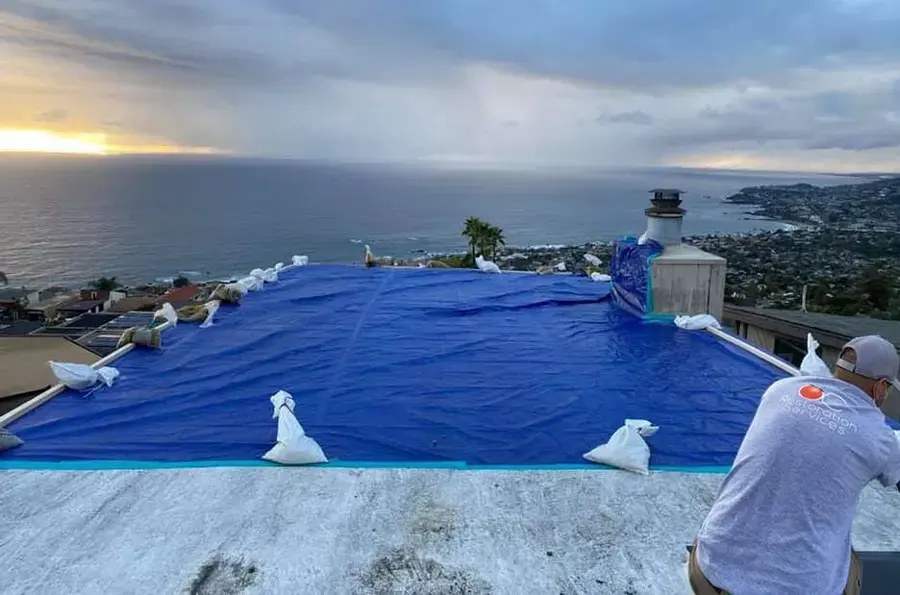
First steps for winter storm water damage in Santa Ana
- 1
Find where it entered
Look for wet sills, stained ceilings or damp baseboards to see where rain got in, and note them before drying anything.
- 2
Block more rain
Place a tarp, towels or sandbags where water is still coming in, but stay off wet roofs.
- 3
Move belongings
Lift furniture, boxes and electronics away from damp floors and exterior walls.
- 4
Photograph the damage
Capture each wet area and any visible entry point for the claim file.
What does winter storm water damage cost in Santa Ana, CA?
Winter storm cleanup in Santa Ana, CA generally costs $1,500 to $10,000, depending on how many rooms were wet, whether walls and wood floors were reached and how soon drying began.
A single wet room
$1,500 to $3,500
- Rain water extracted
- Pad and carpet dried
- Daily readings
Walls soaked as well as floors
$3,500 to $6,500
- Baseboards off
- Cavities dried
- Moisture mapping
Many rooms or hardwood
$6,500 to $10,000
- Flooring lifted
- Containment if needed
- Full documentation
Ranges are typical, not a quote: category of water, square footage, material class and how fast drying started move the number most. Run the water damage cost calculator for a closer range.
How winter storm water damage is handled in Santa Ana
The tech who does the walkthrough maps moisture before any equipment goes down, so the drying plan matches what is actually wet. Equipment stays until the readings say dry, not until it looks dry.
- 1
Extract the rain water
Wands and portable units pull standing water from carpet, tile and hard floors.
- 2
Find the hidden wet
Moisture meters and an infrared camera trace water behind walls and under flooring.
- 3
Dry the structure
Drying fans and dehumidifiers run on wet materials while readings are logged daily.
- 4
Check and release
Equipment leaves when readings reach the reference, and the finished file goes to the adjuster.
Where storm water gets in
Worn door thresholds, window frames, roof flashing and balcony drains all let rain through. Water that enters at the edge of a room spreads under baseboards and wicks into the bottom of drywall.
- Door and window sills that stay damp after a storm.
- Ceiling stains that darken during rain.
- Flooring that cups or lifts near exterior walls.
What the storm crew does
Extraction comes first, then moisture meters and an infrared camera locate rain that traveled behind walls or under flooring. Wet materials are opened only where readings require it.
Drying fans and dehumidifiers dry the structure while readings are logged daily. Rain is usually Category 1 or 2, so a fast response lets many materials dry where they are.
Before the next storm
Before heavy rain forecast for November 14 to 16, 2025, the city offered up to 10 sandbags per home or business at the City Corporate Yard. Orange County Public Works notes that areas next to Santiago Creek and Collins Channel may be inundated, so low spots deserve attention. Thresholds and door sweeps are worth checking before each rainy season. See also roof leak damage and the main storm page.
Winter storm water damage across Santa Ana and nearby towns
Storm jobs reach ZIPs 92703 and 92707, from Morrison Park and Flower Park to Windsor Village, Santa Ana Triangle and the homes near Santiago Park.
The same service nearby: winter storm water damage in Newport Beach, Fountain Valley, Costa Mesa.
Related water damage services in Santa Ana
Winter Storm Water Damage questions in Santa Ana, CA
Rain got inside?
Active water in Santa Ana is treated as urgent at any hour.
(888) 450-9281Santa Ana storm water dispatchWhen is rain most likely to cause leaks?
The rainy season runs November through April, and early storms after a dry summer reveal weak roofs, doors and windows.
How much rain does the city usually get?
About 12.54 inches a year on average. Even so, one heavy storm can overwhelm a weak seal and send water into a building.
Is storm water covered by insurance?
Rain that enters through a damaged roof or opening is often treated differently from water rising from outside. Wording differs, so the insurer should confirm.
Does the crew work on roofs?
Roof repair belongs to a roofer. The restoration crew handles the interior water, drying and documentation, and can advise on temporary protection.
Should I use sandbags?
Sandbags can divert surface water at doors and low openings. The city offered them before heavy rain forecast for November 14 to 16, 2025, so watch for similar notices.
How long does storm water take to dry?
Drying usually takes three to six days. Wet carpet pad, wood floors and wall bottoms dry at different speeds, so readings decide when machines go.
Storm water inside your Santa Ana home?
A crew pumps out the rain water, finds what soaked behind the walls and dries the structure until readings reach the reference.
(888) 450-9281Request Santa Ana storm cleanup- Active water treated as urgent
- Dried to the IICRC S500 standard
- Daily readings for the claim file