Santa Ana Water Extraction and Removal
Water left on a floor keeps soaking into pad, baseboards and wall bottoms. The Santa Ana extraction crew removes it with truck or portable extractors and starts drying before the damage spreads.
(888) 450-9281Start Santa Ana extraction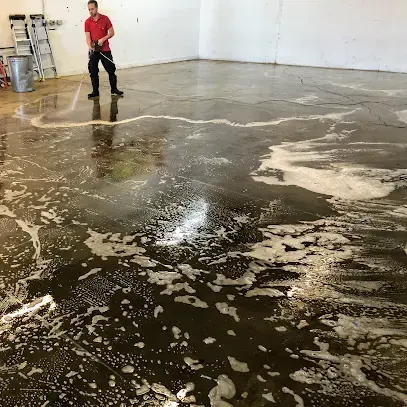
First steps for water extraction and removal in Santa Ana
- 1
Stop the source
Shut the main valve or turn off the failed appliance so no more water reaches the floor.
- 2
Cut power to wet rooms
Switch off breakers for rooms with standing water and avoid plugged-in items.
- 3
Raise what you can
Move furniture, rugs and electronics onto dry surfaces and set furniture legs on foil blocks.
- 4
Call before mopping
Towels cannot pull water from pad and subfloor, so leave deep water for extraction units.
What does water extraction and removal cost in Santa Ana, CA?
Expect about $800 to $5,500 for water extraction in Santa Ana, CA, set by how deep the water is, how much floor it covers and whether it is clean, gray or black water.
Hard flooring in one room
$800 to $1,800
- Wand extraction
- Floor drying
- Moisture check
Carpet and pad across rooms
$1,800 to $3,500
- Truck unit extraction
- Pad removed
- Fans positioned
Deep or contaminated water
$3,500 to $5,500
- Contaminated materials out
- Disinfection
- HEPA air scrubbing
Ranges are typical, not a quote: category of water, square footage, material class and how fast drying started move the number most. Run the water damage cost calculator for a closer range.
How water extraction and removal is handled in Santa Ana
The tech who does the walkthrough maps moisture before any equipment goes down, so the drying plan matches what is actually wet. Equipment stays until the readings say dry, not until it looks dry.
- 1
Remove standing water
Truck-mounted or portable extractors pull water from carpet, tile and concrete.
- 2
Check what soaked in
Moisture meters and an infrared camera show moisture left in pad, drywall and subfloor.
- 3
Set the drying equipment
Drying fans and dehumidifiers go to every area that extraction alone cannot dry.
- 4
Confirm with readings
Equipment stays until readings match a dry reference, and results go in the log.
Why extraction comes first
Liquid water leaves a building far faster than vapor. Extraction removes the bulk in a fraction of the time dehumidifiers would need, which protects subfloors, baseboards and the bottoms of walls. The longer water stays in carpet pad, the higher it wicks into the wall. Carpet extracted quickly after clean water is often saved, with only the pad replaced.
- Truck-mounted units cover large areas of carpet and tile.
- Portable extractors reach stairs, closets and upper floors.
- Wands work water off concrete, hardwood and tile.
What gets checked afterward
After extraction, moisture meters and an infrared camera show where moisture remains in pad, drywall and subfloor. Anything still wet gets drying equipment, and anything contaminated is handled by water category.
The city's drainage channels have largely reduced regional flood risk, yet a burst supply pipe, a failed appliance or a heavy storm can still leave inches of water in a single building. A 12-inch main break near Pomona Street and South Parton Street put water and mud across several blocks.
When the water is not clean
Sewage and flood water are Category 3 and change the job, since contaminated carpet and pad are removed rather than saved. See structural drying and the main extraction page.
Water extraction and removal across Santa Ana and nearby towns
Extraction work covers ZIPs 92703 and 92705, from Washington Square and Wilshire Square to Heninger Park, the Zoo District and the areas around Centennial Regional Park.
The same service nearby: water extraction and removal in Newport Beach, Fountain Valley, Costa Mesa.
Related water damage services in Santa Ana
Water Extraction and Removal questions in Santa Ana, CA
Standing water now?
Active water in Santa Ana is treated as urgent at any hour.
(888) 450-9281Santa Ana extraction dispatchHow soon does extraction need to happen?
As early as possible. Water soaks into pad, baseboards and drywall the longer it sits, and damp materials left for 24 to 48 hours invite mold.
Will the carpet survive?
Often, if the water was clean and the extraction was prompt. Pad is usually replaced, and carpet touched by gray or black water is removed.
Is a wet vacuum enough?
For a small puddle, maybe. Standing water over a larger area, or water in pad, needs extraction units and a drying plan to follow.
What if the water came from outside?
Outside flood water is Category 3, so porous materials are removed and surfaces are disinfected. It is also usually a flood claim, not a standard policy claim.
Does extraction include drying?
Extraction removes the liquid. Drying equipment then removes moisture left in the structure, which is why the two steps are planned together.
How long does the work take?
Extraction itself is usually finished in a few hours for a typical room, and drying then takes three to five days.
Water on the floor of a Santa Ana home?
A crew brings extraction units, pulls the water from carpet and concrete and starts the drying plan, around the clock, any day of the week.
(888) 450-9281Request Santa Ana water extraction- Active water treated as urgent
- Dried to the IICRC S500 standard
- Daily readings for the claim file